
In today’s digital age, information is more valuable than ever. From personal data to sensitive business information, everything is stored online or in electronic form. This has given rise to a pressing need for effective computer security measures to safeguard information from hackers, cybercriminals, and other security threats. One of the most important tools in this fight is cryptography.
What is Cryptography?

Cryptography is the art and science of encoding and decoding messages. It involves the use of mathematical algorithms and protocols to secure communications and protect sensitive data from unauthorized access. Cryptography is used in a variety of applications, from online banking to secure communication between government agencies.
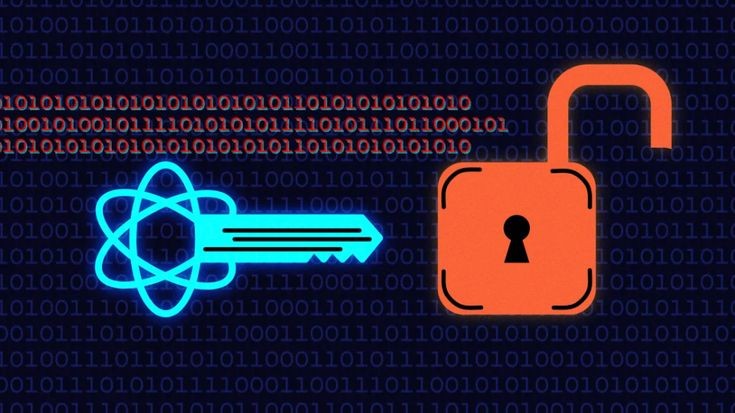
The most common cryptographic techniques are symmetric-key encryption and public-key encryption. Symmetric-key encryption uses the same key for both encryption and decryption, whereas public-key encryption uses two keys – one public and one private – to encrypt and decrypt messages.
Why is Cryptography Important?

Cryptography plays a crucial role in computer security because it allows information to be transmitted securely over public networks such as the internet. Without cryptography, sensitive information would be vulnerable to interception and theft by hackers and other malicious actors.
Cryptography also helps ensure the authenticity of information. Digital signatures, which are based on cryptographic algorithms, are used to verify the identity of the sender and the integrity of the message. This is essential for applications such as online banking, where it is important to know that a message has not been tampered with and that the sender is who they claim to be.
Challenges in Computer Security
Despite the importance of cryptography, computer security remains a challenging problem. Cybercriminals are constantly developing new techniques to breach security systems, and there are many different types of attacks that can be used to compromise data. Some of the most common security threats include:
- Malware: Malware is software that is designed to infect a computer system and cause damage or steal data. Examples of malware include viruses, worms, and Trojan horses.
- Phishing: Phishing is a technique used by hackers to trick people into giving away their personal information. This is often done by sending emails that appear to be from legitimate sources, such as banks or social media sites.
- Denial-of-service (DoS) attacks: DoS attacks are designed to overload a server or network with traffic, making it impossible for legitimate users to access the system.
- Man-in-the-middle (MitM) attacks: MitM attacks involve intercepting communications between two parties and altering the messages in transit. This can be used to steal information or impersonate one of the parties.
Protecting against these and other security threats requires a comprehensive approach that includes both technical measures such as firewalls and encryption, as well as user education and awareness programs.
Conclusion
In today’s digital age, computer security and cryptography are more important than ever. The widespread use of the internet and digital communication has created a host of new security threats, and protecting sensitive information from these threats requires the use of effective security measures such as encryption and other cryptographic techniques. While no system can be completely secure, a proactive approach to computer security can help minimize the risks and protect valuable data from theft and compromise.
 Cutting-edge Science
Leave a comment